What Is a Funnel in Marketing? The Simple Explanation Every Business Needs!
You’ve probably heard people talk about a “funnel in marketing” like it’s some secret formula. The truth is, it’s not complicated; it’s just been overcomplicated. Let’s fix that.
What is a Marketing Funnel?
A marketing funnel is the path someone takes from discovering your business to becoming a customer.
It’s not software. It’s not a landing page. It’s the process, the steps people go through from “I just found you” to “I’m ready to buy.” Understanding a funnel in marketing helps you see your customer’s journey more clearly.
Every business has a marketing funnel, whether you’ve built it on purpose or not. The difference is whether it’s working for you or against you.
Why the Word “Funnel”?
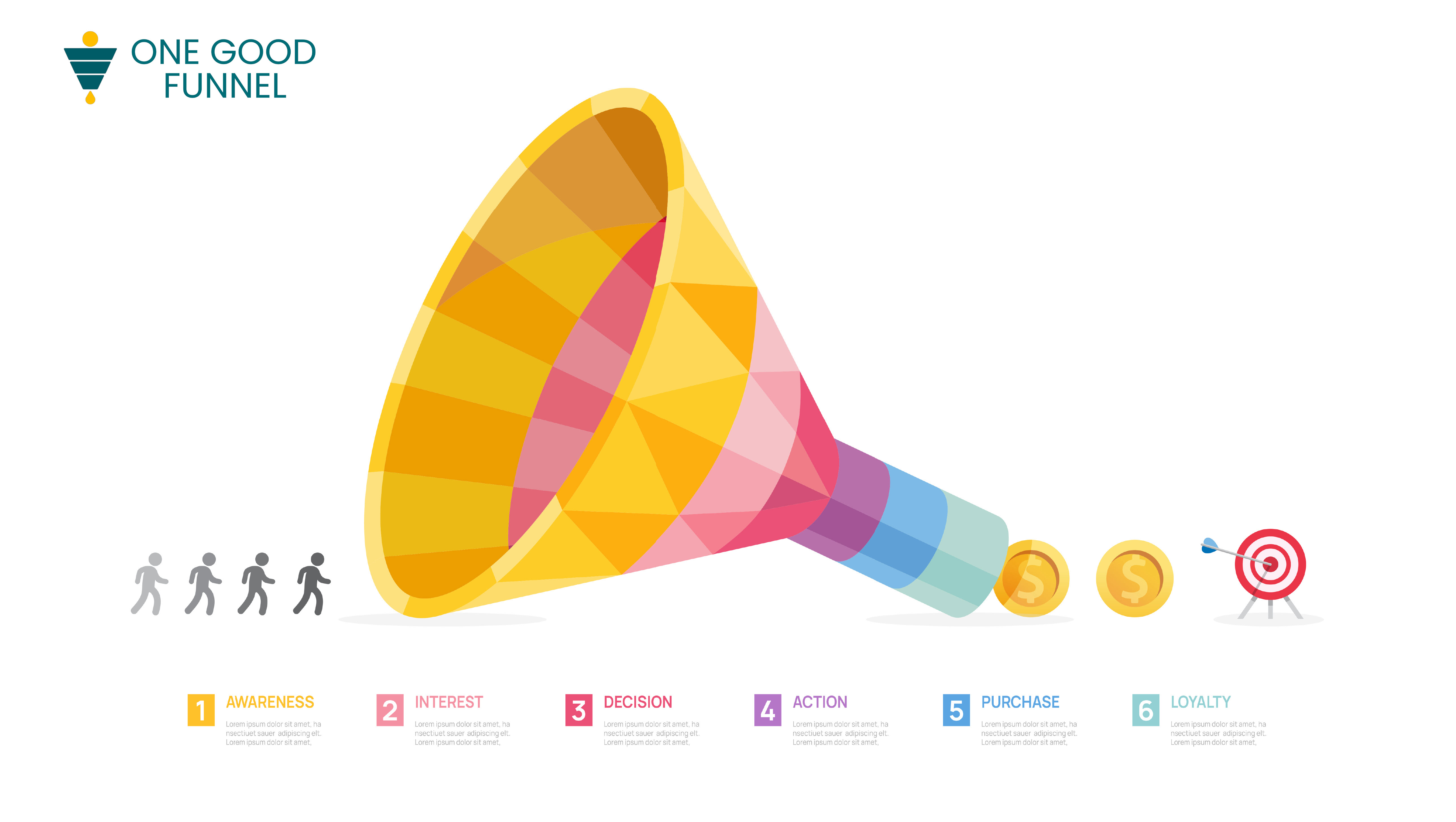
Picture the shape. Wide at the top, narrow at the bottom.
At the top, lots of people discover you through search, social media, word of mouth, or ads. As they move through your process, some drop off. They’re not ready, not interested, or not the right fit.
The ones who stay? They move closer to a decision. By the time they reach the bottom, they’re ready to buy.
That’s why we call it a funnel. It’s a visual way to understand how people move from awareness to action.
Understanding this shape helps you see where people fall off, and where to focus your effort.
The Most Important Part: They Raise Their Hand
Here’s what makes a marketing funnel actually work. At some point early in the process, the person raises their hand and gives you a way to follow up with them.
They give you their email address. Or their phone number. Or they make a small purchase.
When someone gives you their contact information, they’re saying “yes, I’m interested in what you’re doing.” Now you can:
- Stay in touch with them
- Send helpful information
- Remind them you exist
- Make offers when the timing is right
That’s when your marketing funnel shifts from guesswork to a real relationship.
What a Funnel in Marketing Actually Looks Like in Your Business
Let’s look at how a marketing funnel works in different types of businesses:
If you’re a consultant: Someone finds you on LinkedIn, clicks through to download your free guide, and enters their email address to get it. Over the next week, they get a few emails from you that answer common questions and show your expertise. Then you invite them to book a call with you. Some do. That’s your marketing funnel.
If you run an online store: Someone sees your ad on Facebook, clicks through to your website, and signs up for 10% off by entering their email. You send them a welcome email with their discount code, then a few more emails showing your products and customer stories. They come back and buy. That’s your marketing funnel.
If you’re a coach: Someone watches your YouTube video, clicks the link to get your free worksheet, and enters their email to receive it. You follow up with emails that teach them your method. Eventually, you offer your program and they join. That’s your marketing funnel.
If you’re a local business: Someone searches “best coffee shop near me” and finds you on Google. They visit your website and sign up for your rewards program by entering their phone number to get a free drink. You send them a welcome text with your hours and menu. Over the next few weeks, they get occasional texts about new drinks or weekend specials. They become a regular. That’s your marketing funnel.
See the pattern?
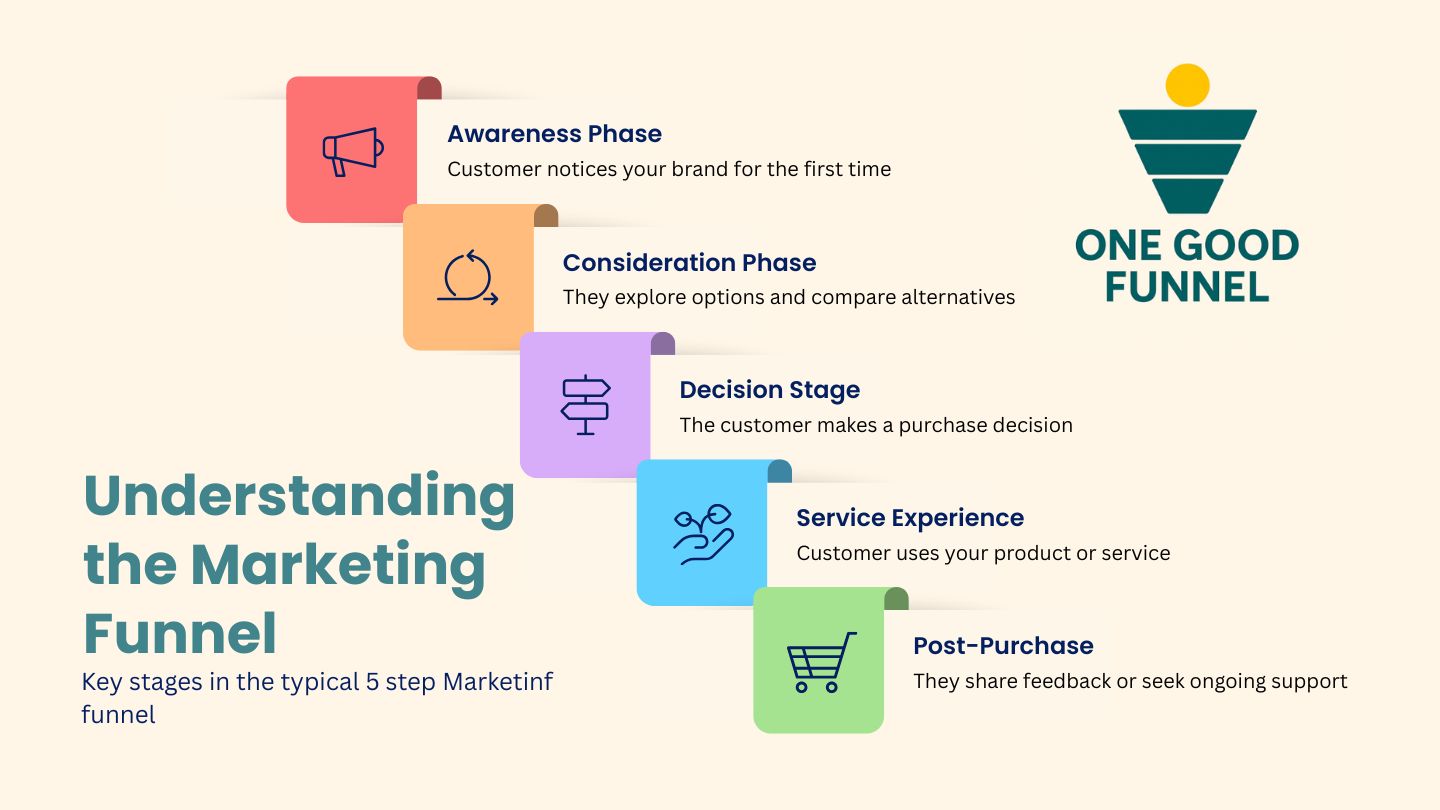
Someone finds you → gives you their contact information → you stay in touch and build trust → you make an offer → they buy.
No matter the business model, every funnel in marketing follows the same pattern: someone discovers you, engages, and eventually buys.
That middle step is what turns a stranger into a potential customer you can actually work with.
Why This Matters
Without a marketing funnel, you’re posting into the void and hoping something sticks. Maybe someone buys. Maybe they don’t. You’re not sure why either way.
With a marketing funnel, you have a system. You know how people move from stranger to customer, and you can improve it over time.
A good marketing funnel does a few important things:
- Collects contact information so you can follow up with people who are interested
- Keeps you top of mind while people are still deciding
- Handles follow-up automatically so you’re not manually chasing everyone
- Makes the path to purchase obvious instead of confusing
- Shows you where people are getting stuck so you can fix it
A marketing funnel gives you clarity, consistency, and control over how people move through your business.
When you understand your funnel in marketing, you stop guessing and start improving what actually drives results.
The real value of a marketing funnel is this: you’re not relying on someone happening to see your post at exactly the right moment. You have their email or phone number. You can reach them when you have something worth sharing.
You don’t need anything fancy. You just need one clear path that works.
You Already Have a Marketing Funnel (Even If It’s Leaking)
Walk through what happens now when someone discovers your business.
Maybe they find you on Instagram. They look at a few posts. Maybe they visit your website. Then what?
Do they know what to do next? Do you have their contact information? Are you following up with them?
If the answer is “sometimes” or “I’m not sure,” you have an accidental marketing funnel. It’s leaking people at every step because there’s no clear path forward.
The biggest leak? You’re probably not collecting contact information. People see your content, think “that’s interesting,” and then scroll on. Gone forever.
An intentional marketing funnel plugs those leaks. When someone finds you on Instagram, there’s a clear next step. Sign up for something. Get something valuable. Give you their email in return. Then you follow up in a way that moves them closer to buying.
Same people. Same content. Just organized so you actually have a way to stay in touch.
The Simplest Version of a Marketing Funnel to Start With
If you’re wondering how to build a marketing funnel from scratch, start here. This simple funnel in marketing structure is where every successful business begins.
Step 1: Offer something helpful for free
A guide, a checklist, a video training, a discount code. Whatever makes sense for your business.
Step 2: Create a simple signup page
This is called a landing page, but it’s just a web page with a signup form. You’ll need a tool to create this and collect those email addresses. We’ll cover the best options in another post.
Step 3: Follow up with value
Send them what you promised, then follow up with a few emails over the next week or two. Your email tool will handle this automatically once you set it up. Introduce yourself. Share helpful information. Show them how you can help.
Step 4: Make an offer
Invite them to buy something, book a call, or take whatever the next logical step is in your business.
That’s it. Four steps. You can build from there, but this is enough to get started.
The key is that second step. Getting their contact information. Without it, you’re just hoping they come back on their own.
What to Do Next
You have two options.
Option 1: Map what’s already happening
Write down the steps someone takes from finding you to buying from you. Look for the gaps. Where are people dropping off? Where are you losing them? Most importantly, where are you collecting their contact information so you can follow up?
Option 2: Start fresh and simple
Pick one way people find you. That’s your most common source of new potential customers. Create one free offer that’s valuable enough that people will give you their email to get it. Set up a simple follow-up sequence. Make one clear invitation to work with you.
You don’t need to build the perfect marketing funnel. You need to build one that works, then make it better over time.
Whether you’re building from scratch or improving what exists, your funnel in marketing is the foundation of consistent growth.
That’s what this site is for. Helping you create one good marketing funnel without the overwhelm, without the jargon, and without wasting time on things that don’t matter.
Get your marketing funnel right, and everything else gets easier.
Ready for the next step? Read [The 6 Types of Marketing Funnels (And When to Use Each One)] to figure out which funnel fits your business best.
